Waking up with a dry, sticky mouth is one of the most common complaints from people on CPAP therapy, and one of the easiest to fix once you know what is causing it. This guide explains the four causes of CPAP dry mouth, how to tell which one you have, and the specific change that solves each. It also covers what to do when your humidifier is already turned up and your mouth is still dry.
Most of the dry-mouth calls we take at the store start the same way: “I have the humidifier on and it is still happening.” That usually means the humidifier was never the problem. Dry air is only one of four reasons a CPAP user wakes up parched, and the other three need different fixes. Work through the sections below in order and you will find yours.

Why CPAP Causes Dry Mouth
Your nose is built to warm and moisten air before it reaches your throat. When you breathe through your nose on CPAP, it keeps doing that job. The trouble starts when your lips part during sleep: pressurized air escapes through your mouth, and a stream of air moving one way through the nose and out the mouth all night pulls moisture out of the tissue faster than your body replaces it. Dry mouth and mouth leak are usually the same problem seen from two angles, and your therapy pressure is leaking away at the same time.
Dry mouth is common on CPAP, and it is also common before CPAP. In a study of 385 sleep apnea patients, 61 percent reported frequent dry mouth before starting treatment; after two months on CPAP that fell to 37 percent. Untreated apnea makes people mouth-breathe and snore, which dries the mouth on its own. The people still dry at two months are the ones this guide is for. HealthLink BC lists a dry nose and mouth among the expected side effects of CPAP and advises setting the machine to deliver warmer or wetter air, or adding a humidifier, as the first fix.
The Four Causes, and How to Tell Which One You Have
Each cause leaves a different clue in the morning. Match your symptoms to the list before you change anything.
1. Mouth breathing or mouth leak. Your mouth is dry but your nose feels fine. You use a nasal or nasal pillow mask. Your partner mentions a puffing or whistling sound from your mouth. Your machine reports a high leak rate, or the humidifier chamber is empty by morning even though the setting has not changed. This is the most common cause by a wide margin.
2. Dry air from the machine. Your mouth, nose, and throat are all dry, and your lips may be chapped. You do not use a humidifier, or you use one without a heated hose, or the humidity setting is low. The dryness is worse in winter and in rooms with forced-air heating.
3. Mask leak around the cushion. Air hisses from the edge of the mask, often near the nose bridge or cheeks. Your eyes may be dry or irritated in the morning. The cushion is more than a few months old, or the headgear has stretched. Leak around the cushion dries the face and nose first, but with a full face mask it dries the mouth too.
4. Something other than CPAP. Your mouth was dry before you started therapy, or the dryness is constant through the day. You take a medication that lists dry mouth as a side effect. You snore through your mouth even without CPAP, or ongoing nasal congestion forces you to breathe through your mouth.
Most people have one of the first two. Some have a mix. The fixes below are ordered to match.
Fix 1: Stop the Air Escaping Through Your Mouth

If you breathe through your mouth, no humidifier setting will keep up. The air has to stay in your airway first.
Try a chin strap. A chin strap is a soft band that runs under the jaw and over the top of the head. It does not clamp the mouth shut; it supports the jaw so the lips stay together once you are asleep. It is the cheapest fix on this page and the one we suggest first to nasal-mask users. A 2014 study in the Journal of Clinical Sleep Medicine compared CPAP users who added a chin strap with those who did not: the chin strap group used their machines on more nights, for longer each night, with less leak. Our guide to using a chin strap with your CPAP machine covers sizing and fit. The ResMed Sullivan Chin Strap and the Respironics Premium Chin Strap are the two we sell most.
Switch to a full face mask. If a chin strap is not enough, or you cannot breathe through your nose at all, a full face mask covers the nose and mouth together. Air that leaves through your mouth stays inside the mask, so there is no leak and no drying. Modern full face masks are much smaller than the ones from a decade ago. The ResMed AirFit F30i and F40, the Fisher & Paykel Evora Full Face, and the Respironics DreamWear Full Face all sit under the nose rather than over the bridge. Compare the options in our full face CPAP mask guide or browse the full face mask category.
Clear your nose. People often breathe through their mouth because their nose is blocked, not out of habit. A saline rinse before bed, treating seasonal allergies, and keeping the bedroom dust-free can reopen the nose enough to make a nasal mask work again. If congestion is constant, mention it to your doctor; a deviated septum or chronic sinus issue is worth ruling out. See our allergies and sleep apnea guide for the seasonal side of this.
Skip mouth tape unless your doctor agrees. Taping the lips shut is popular online. It is not something we recommend on our own. Anyone with nasal obstruction, reflux, or a history of vomiting at night should not do it, and a nasal mask with a leaking mouth is a sign you need a different mask, not tape. Ask your sleep doctor before trying it.
Fix 2: Add Moisture With the Humidifier and a Heated Hose
If your mouth stays closed and you are still dry, the air itself needs more moisture.
Use the heated humidifier every night. Nearly every current CPAP machine sold in Canada has a heated humidifier built in or available as an attachment. If you have been leaving the chamber empty, fill it with distilled water and switch the humidifier on. Our guide on why distilled water matters explains the reason.
Turn the humidity up one step at a time. ResMed AirSense machines run humidity on a 1 to 8 scale, Philips DreamStation on 1 to 5, and Fisher & Paykel SleepStyle on 1 to 7. Raise it by one level, give it three nights, then raise it again if needed. Jumping to the maximum on night one often produces rainout (water condensing in the hose), and people turn the whole thing off in frustration.
Add a heated hose. A heated tube keeps the air warm all the way to the mask, which lets you run higher humidity without water pooling in the hose. On ResMed machines the ClimateLineAir tube turns on the Climate Control Auto setting, which manages humidity and tube temperature together. If your mouth is still dry at a high humidity setting without a heated hose, the hose is the next step, not more humidity. We stock the ResMed ClimateLineAir 11 Heated Tubing for the AirSense 11 and the Philips Respironics DreamStation Heated Tubing for DreamStation machines.
Travelling with an AirMini? The ResMed AirMini has no water chamber. It uses a small HumidX insert that captures moisture from your exhaled breath. If you get dry on the road, the HumidX Plus version holds more moisture than the standard one.
For a full walkthrough of settings, chambers, and rainout, read our CPAP humidifier guide.
Fix 3: Stop the Leak at the Cushion
A mask that leaks around the edge pushes dry air across your face and lets conditioned air escape. Check these in order:
- Replace the cushion. Silicone cushions soften and lose their seal with use. If yours is more than three months old and you see a wavy edge or discolouration, replace it. Memory-foam cushions (ResMed AirTouch, for example) wear faster.
- Loosen, do not tighten. Most people overtighten when a mask leaks. Cushions seal with a thin layer of air behind them; crushing them against the face folds the edge and makes the leak worse. Our mask fit guide shows the right amount of tension.
- Refit lying down. Fit the mask in your sleeping position, with the machine running, then adjust. A mask that seals sitting up can shift when your cheek hits the pillow.
- Replace stretched headgear. Headgear that has gone slack cannot hold a seal, no matter how new the cushion is. Six months is a reasonable replacement interval for most headgear.
- Check the leak reading. ResMed and Philips machines show a leak figure on the screen or in their apps. If it is consistently high, the mask is the problem even if you cannot hear it.
Our cleaning and maintenance guide covers how to keep cushions sealing longer, and the CPAP supplies category has replacement cushions and headgear for every mask we sell.
Fix 4: Rule Out Medication and Other Causes
If you have done everything above and your mouth is still dry, the cause may not be the machine.
Ask your pharmacist whether any of your prescriptions list dry mouth as a side effect. Dental Hygiene Canada lists blood pressure medication, antidepressants and anti-anxiety medications, decongestants and antihistamines, pain relievers and sedatives, and some inhalers as common causes. Your pharmacist may be able to suggest a timing change or an alternative; never stop a medication on your own.
Alcohol and smoking both dry the mouth and relax the jaw, which encourages mouth breathing. Cutting evening alcohol often improves CPAP dry mouth by itself, and it improves sleep apnea too. Our guide on alcohol and sleep apnea goes into why.
Persistent dry mouth with no CPAP cause can point to a medical condition such as Sjögren’s syndrome or poorly controlled diabetes. If your mouth is dry around the clock, not just in the morning, see your doctor.
Small Habits That Help on Any Night
- Drink water through the day rather than a large glass at bedtime, which mostly produces a trip to the bathroom.
- Use an alcohol-free mouthwash. Alcohol-based rinses dry the mouth further.
- Keep lip balm on the nightstand. Chapped lips are a sign the air is still too dry.
- Run a room humidifier in winter if your home sits below 30 percent relative humidity. The CPAP humidifier conditions the air in the hose, but very dry room air pulls moisture out faster.
- See your dentist regularly. Saliva protects teeth and gums, and a mouth that is dry every night is at greater risk of cavities and oral infections. Tell your dentist you use CPAP.
UNLOCK OUR BEST OFFERS!
Get up to 40% off machines, masks and accessories only when you sign up!
Sign Up Free →Frequently Asked Questions About CPAP Dry Mouth
Why is my mouth dry even though my CPAP humidifier is on?
Because the humidified air is leaving through your mouth before it does any good. A humidifier only helps if the air stays in your airway. Check for mouth breathing first (an empty chamber in the morning is a clue), then add a chin strap or switch to a full face mask. If neither applies, raise the humidity one step and add a heated hose.
Should I use my CPAP humidifier in summer?
If your mouth is dry, yes. Outdoor air is more humid in summer, but air conditioning dries indoor air, and CPAP airflow still moves faster than your nose can condition it. Most people lower the setting a step or two in summer rather than turning the humidifier off.
Can CPAP dry mouth damage my teeth?
Over time, yes. Saliva neutralizes acid and washes bacteria off the teeth, and Canadian dental hygienists list dry mouth as a risk factor for cavities and oral infections. A mouth that is dry for seven hours a night loses that protection. Fixing the dryness protects your teeth as well as your comfort.
Will a full face mask stop CPAP dry mouth?
It fixes the mouth-breathing cause, because air that escapes the lips stays inside the mask. If your dryness comes from unheated air, you will still need the humidifier and possibly a heated hose. Most mouth breathers who switch notice a large improvement on the first night.
Is a CPAP chin strap uncomfortable?
Most people stop noticing it within a week. Choose one that is soft and adjustable, fit it so the jaw is supported but not clamped, and make sure it does not pull your mask out of position. If it leaves marks or shifts the mask, it is too tight.
Does the humidity setting change my CPAP pressure?
No. Humidity and tube temperature are comfort settings. They do not alter the pressure your machine delivers. Pressure changes need a conversation with your sleep doctor; comfort settings you can adjust yourself at any time, and changing them will not affect your therapy data.
Why does my CPAP humidifier chamber empty so fast?
Two reasons: the humidity is set high, or air is leaking out through your mouth or mask and taking the moisture with it. If the chamber used to last all night and suddenly does not, look for a new leak before you blame the setting.
The three fixes we reach for first
A chin strap for mouth leak, a heated hose for dry air, and a full face mask when the nose cannot do the job. No prescription required, and orders over $150 ship free across Canada.


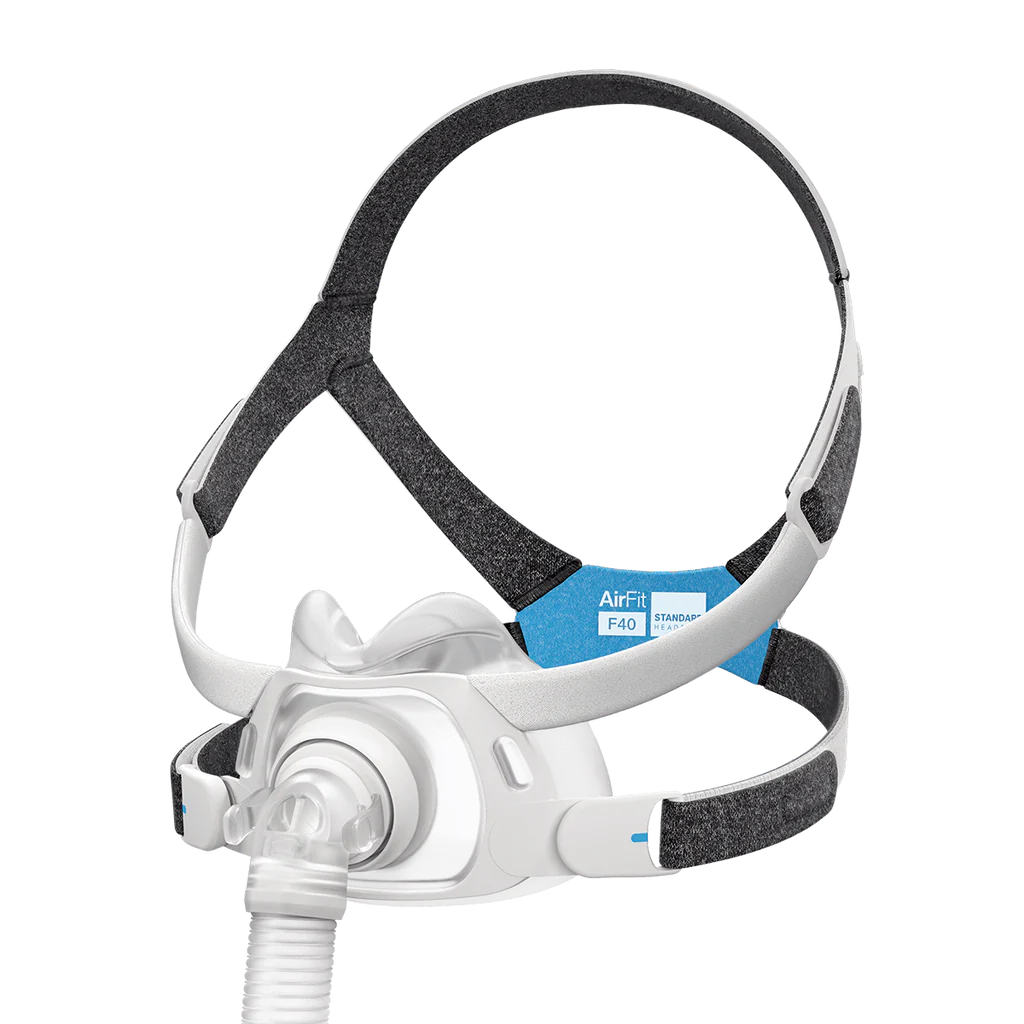 ResMed AirFit F40 Full Face Mask
View →
Different machine or mask? Browse all full face masks or the full CPAP supplies hub.
Final Thoughts on CPAP Dry Mouth
Start with the question that sorts most cases: is your nose dry too? If only your mouth is dry, air is escaping through your lips, and a chin strap or full face mask is the fix. If everything is dry, turn on the humidifier, raise it a step at a time, and add a heated hose. If the mask hisses, replace the cushion before anything else. Only once those are handled is it worth looking at medications and habits.
Dry mouth is a reason people quit CPAP in the first month, and it almost never needs to be. If you are not sure which cause you have, call us. We can look at the mask you use, the machine you have, and how your humidifier is set, and usually narrow it down in a few minutes. Reach us at 1-855-492-3316 or [email protected], seven days a week from 9 AM to 9 PM. Orders over $150 ship free anywhere in Canada.
This guide is here for general information and is not a substitute for medical advice. Talk to your doctor or sleep specialist about any symptom that persists, before changing your treatment, and before starting or stopping any medication.