Searching for the ideal CPAP mask as a side sleeper can seem overwhelming. There are dozens of options on the market, and choosing the one that works for you takes some sorting through.
But getting this right matters. The right mask is what makes the difference between sticking with CPAP therapy and giving up on it after a few frustrating nights. If you are looking for the best CPAP masks for side sleepers, we have you covered!
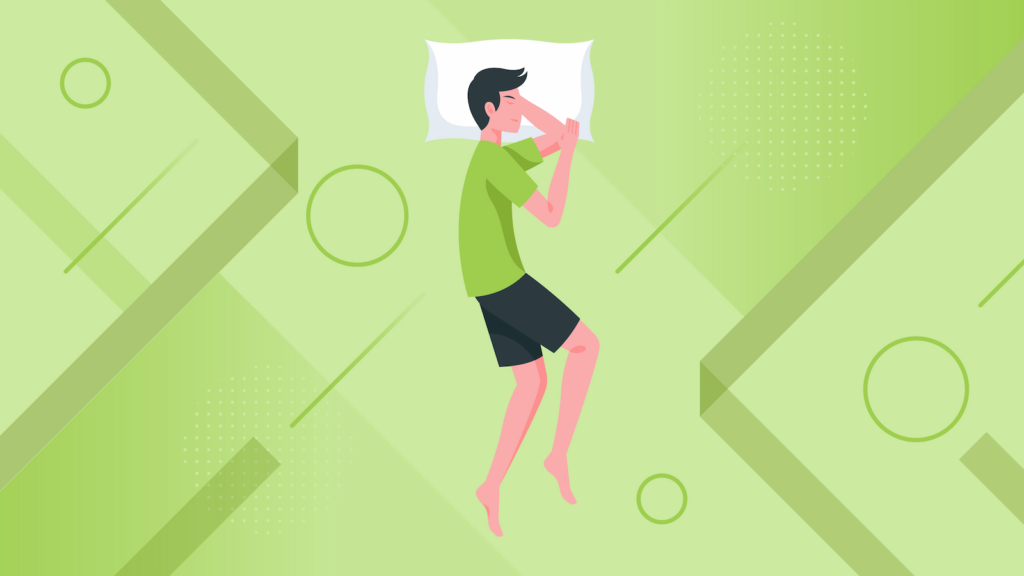
The good news: if you know what to look for, narrowing the field to a short list of strong contenders is easier than most people expect. This guide walks through what to look for, which mask styles tend to work best for side sleepers, which specific masks we recommend from our Canadian catalogue, and how to find a fit that lets you sleep on your side comfortably every night.
Challenges of Side Sleeping with CPAP Therapy
Using a CPAP machine while sleeping on your side adds a layer of difficulty most product marketing glosses over. Most masks are designed with back sleepers in mind, and that shows up the moment you roll onto your side. CPAP is widely recognized as the best treatment for obstructive sleep apnea, but the standard advice on mask choice is built around back sleepers.
A few things tend to go wrong:
The mask shifts as you move, breaking the seal and letting air escape into your eyes or down your face. The frame presses into the pillow, pushing the cushion against your nose or cheek and causing soreness. The tubing pulls at the wrong angle, dragging the mask out of position or tangling around your arm. Air leaks dry out your nasal passages and irritate the skin under the mask.
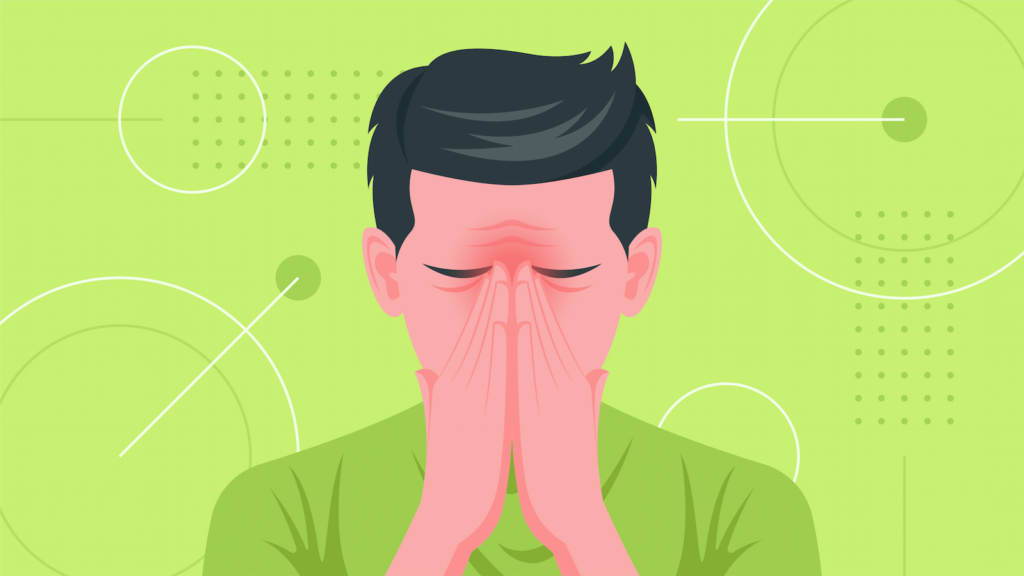
If any of this sounds familiar, you are not alone, and you do not have to put up with it. Side sleeping with CPAP is absolutely workable, but it does mean being more selective about the mask you choose.
How to Select the Best CPAP Mask for Side Sleepers
Most modern CPAP masks are well-engineered medical devices. The question is not whether a mask works, but whether it works for you, in your sleeping position, with your pressure setting, and with how you breathe.
For side sleepers, three features matter more than anything else:
A flexible frame that bends and moves with you rather than fighting against the pillow. A compact profile that keeps mask-to-pillow contact to a minimum. A tubing connection that does not get in the way as you change position during the night.
Top-of-head tubing connections are a side sleeper favourite. By routing the hose up and over your head rather than out from your mouth, these designs let you roll from one side to the other without tangling or twisting. Many of the most popular nasal pillows and nasal masks now offer this style of connection.
Best CPAP Mask Type for Side Sleepers
For most side sleepers, the choice comes down to three mask styles: nasal pillow, nasal, and full face. Each has its strengths and trade-offs, and the right one depends on your pressure setting, how you breathe at night, and any sinus or nasal issues you live with.
Nasal Pillow Masks for Side Sleepers
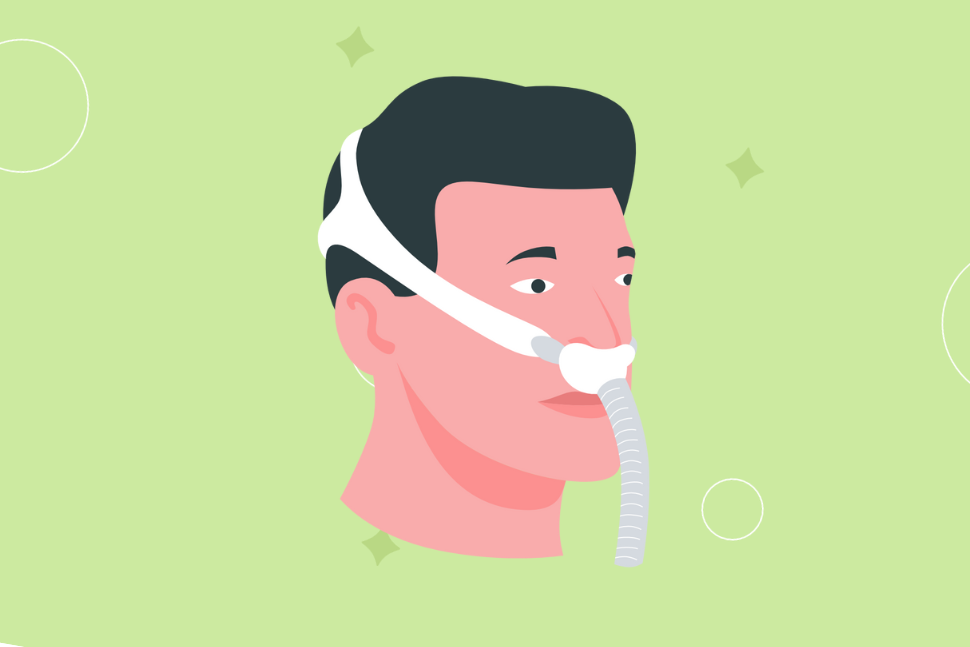
Nasal pillow masks are usually the first style we recommend Canadian side sleepers try. They are the smallest CPAP mask design, sealing at the base of each nostril rather than covering the nose itself. That compact profile is exactly what side sleepers need.
What makes them work well on your side:
The mask barely contacts the pillow, so there is much less to push against your face when you turn. The seal stays put even when you toss and turn, because it sits right at the nostril rather than across a larger contact area. Most modern nasal pillow masks have a top-of-head hose connection, which keeps the tubing well out of the way. The minimal coverage also makes it easier to read, watch TV, or wear glasses while wearing the mask before falling asleep.
Where nasal pillow masks fall short:
They are not always the best choice for higher pressure settings. The small contact area can let air escape, and the direct airflow into your nostrils can feel intense. They also rely on clear nasal passages, so if you deal with chronic congestion, a deviated septum, allergies, or frequent colds, you may struggle to get consistent therapy through this style.
If a nasal pillow mask sounds like a fit, our roundup of the top nasal pillow CPAP masks covers the best current options available in Canada.
Nasal Masks for Side Sleepers
If a nasal pillow mask is too minimal and a full-face mask is too bulky, a nasal mask is often the sweet spot for side sleepers. These masks cover the nose entirely rather than sealing at the nostrils, which gives you a more stable seal at higher pressure settings.
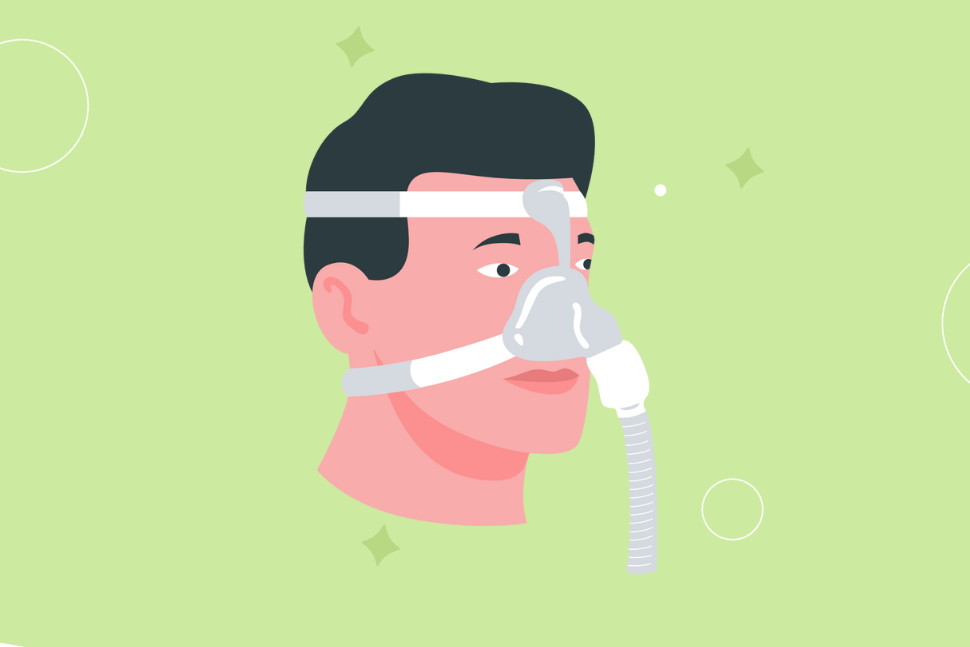
Where nasal masks shine for side sleepers:
They handle higher CPAP pressures more reliably than nasal pillows. They are still much smaller than full-face masks, so they remain side-sleep-friendly. They are a good middle ground for people who find nasal pillows too intense but do not need full mouth coverage. Many models use the same top-of-head tubing connection as nasal pillow masks.
Where nasal masks have trouble:
Fit is more critical than with a nasal pillow design, because the larger sealing surface gives more room for leaks if the mask is too loose or pressure points if it is too tight. Like nasal pillow masks, they are effective only when you can breathe easily through your nose. Mouth breathers will need a chin strap to keep their lips sealed at night; otherwise, they should consider a full-face mask instead.
Our guide to the top nasal CPAP masks walks through the leading options from trusted manufacturers.
Full Face Masks for Side Sleepers
Full-face masks enclose both your nose and mouth, making them essential for mouth breathers and people with chronic nasal congestion. They are bigger than the other two styles, but modern designs have made them much more side-sleep friendly than they used to be.
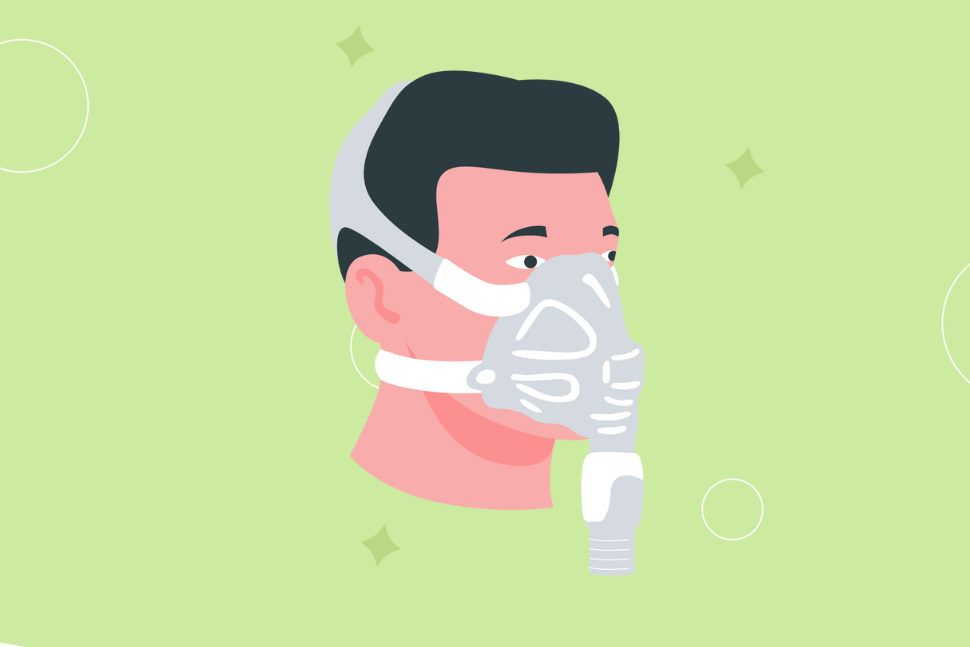
When a full face mask is the right choice:
You breathe through your mouth at night, even with a chin strap. You have ongoing sinus issues, allergies, or a deviated septum that blocks nasal airflow. You need higher CPAP pressures and want the most stable seal possible. You wake up with a dry mouth on a nasal-only mask.
Trade-offs to be aware of:
The larger mask size puts more material in contact with the pillow, so seal disruption is more likely when you change positions. Skin irritation across a larger contact area is more common, especially for sensitive skin. Glasses and pre-sleep reading are more difficult with a full-face design.
The newer minimal-contact full face masks, with under-the-nose cushions and top-of-head hose connections, have largely solved the side-sleeping problem for this style. For a current list of options worth considering, see our roundup of leading full-face CPAP masks.
Our Top CPAP Mask Recommendations for Side Sleepers
Of the masks we stock at CPAPSupply.ca, these four are the ones we recommend most often for Canadians who sleep on their side. Each one solves a different version of the side-sleeper problem.
ResMed AirFit P10 Nasal Pillow CPAP Mask
The AirFit P10 is the mask we suggest most often for new side sleepers. It is one of the lightest and quietest nasal pillow masks ever made, featuring a minimalist headgear design and minimal facial contact. The tubing connects out the front, but the mask is so light that side sleepers rarely notice it shifting. A long-running favourite for a reason.
Best for: side sleepers on low to mid pressure settings who want the most minimal mask possible.
ResMed AirFit N30i Nasal CPAP Mask
The AirFit N30i is a nasal mask with a top-of-head tubing connection, which makes it one of the most side-sleeper-friendly nasal masks on the market. The cushion sits under the nose rather than over it, eliminating the bridge-of-nose pressure point that many side sleepers find uncomfortable. The frame flexes with movement, so the seal holds when you turn.
Best for: side sleepers who need more pressure than a nasal pillow can handle, but who breathe well through their nose.
Philips Respironics DreamWear Nasal CPAP Mask
The DreamWear has a soft, hollow frame that doubles as the air channel, which means there is no tubing pulling on the front of the mask. The under-the-nose cushion sits low on the face, leaving the field of vision clear. It works well for active sleepers who switch positions through the night.
Best for: side sleepers who want a soft, flexible mask with no front-facing hose.
ResMed AirFit F30i Full Face CPAP Mask
The AirFit F30i is the full-face mask we recommend for mouth breathers and people with chronic congestion who also sleep on their side. The cushion sits under the nose instead of covering it, and the tubing connects at the top of the head. It is the most side-sleep-friendly full-face mask currently available on the Canadian market.
Best for: side sleepers who breathe through their mouth, have nasal congestion, or need higher pressures.
If you are not sure which of these is right for your machine or pressure setting, our team can help you match a mask to your therapy. See our contact page to get in touch.
Tips for Sleeping on Your Side with a CPAP Mask
A few small adjustments can make any of these mask styles work better on your side:
Use a CPAP pillow. Standard pillows push the mask into your face. A CPAP pillow has cutouts that allow the mask and hose to go where they need to without disrupting the seal. Browse our selection of CPAP pillows designed for side sleepers.
Route the hose over the headboard or use a hose lift. This keeps the tubing weight off the mask and gives you slack to turn without pulling on the mask.
Dial in the fit before you give up on a mask. A mask that leaks on your back will leak worse on your side. Spend time on the fit before assuming the mask is wrong for you. Our CPAP mask fit guide walks through how to do this properly.
Replace cushions on schedule. A worn cushion seals poorly. Most cushions need to be replaced every 2 to 3 months for consistent therapy.
Talk to a Respiratory Therapist. If you have tried multiple masks without success, a trained RT can usually identify the problem in fifteen minutes. Our medical reviewer, Crystal Mank, BKin, RRT, is a Registered Respiratory Therapist with thirteen years of clinical experience helping patients with CPAP therapy. Reach out through our contact page if you would like to ask her a question about mask fit or therapy comfort.
Frequently Asked Questions About CPAP Masks for Side Sleepers
What is the best CPAP mask for side sleepers?
For most side sleepers, a nasal pillow mask is the best starting point. The compact size, minimal pillow contact, and top-of-head hose connection make this style the most side-sleep-friendly. The ResMed AirFit P10 is the one we recommend most often. Mouth breathers should consider a minimal-contact full-face mask, such as the AirFit F30i, instead.
Can you sleep on your side with a full face CPAP mask?
Yes, especially with newer minimal-contact designs like the ResMed AirFit F30i, which use an under-the-nose cushion and a top-of-head hose connection. Older full face masks that cover the bridge of the nose are bulkier and more prone to breaking seal when you turn. A CPAP pillow with cutouts helps any full-face mask fit better on your side.
What CPAP mask leaks the least for side sleepers?
Mask leakage depends much more on fit than on mask type. That said, nasal pillow masks tend to maintain their seal best for active side sleepers because the seal sits at the nostrils rather than across a larger contact area. If you are seeing persistent leaks, ask your CPAP supplier or a Respiratory Therapist about a mask fitting.
Can I use a regular pillow with a CPAP mask as a side sleeper?
You can, but most side sleepers find that a dedicated CPAP pillow makes a noticeable difference. CPAP pillows feature contoured cutouts that direct the mask and hose, keeping the seal intact and preventing the mask from being pushed into your face. They also reduce pressure marks on your cheeks and forehead.
What should I do if my CPAP mask leaves marks or sores on my face?
Start by making sure the mask is clean, properly sized, and not over-tightened. A common mistake is cranking the straps tight to stop leaks, when the real issue is fit. Try loosening the straps slightly. If marks persist, a mask liner, barrier cream, or different cushion material can help.
Is it possible to wear glasses with a CPAP mask?
Yes. Nasal pillow masks and most modern nasal masks leave plenty of room for glasses because they do not cover the bridge of the nose. Full face masks can interfere with thicker frames. If you read or watch TV before sleep, a nasal pillow mask is usually the easiest to wear with glasses.
I toss and turn at night. Which mask handles that best?
Nasal pillow masks are the most forgiving option for active sleepers. The compact size, minimal contact area, and flexible hose connection let the mask move with you rather than be dragged out of place. The ResMed AirFit P10 and the DreamWear Nasal are both strong picks for sleepers who frequently change positions.
Do I need a prescription to buy a CPAP mask in Canada?
CPAP machines require a prescription in Canada, but most CPAP masks and accessories do not. You can browse our full mask selection and order what you need without a prescription. Our team can help confirm sizing and compatibility with your machine before you place your order.
Find the Right Side-Sleeper CPAP Mask for You
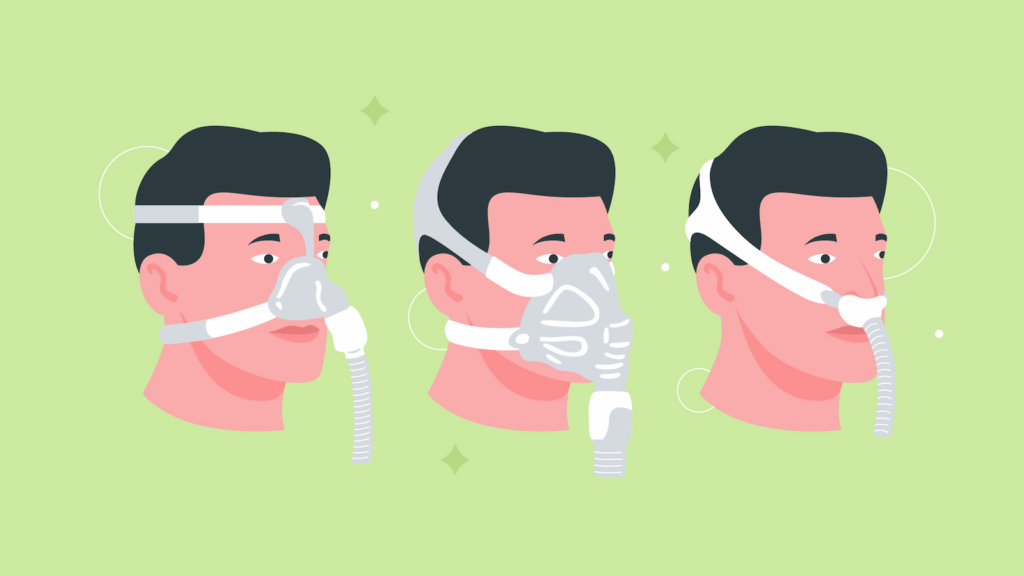
Picking a CPAP mask as a side sleeper does not have to be guesswork. Nasal pillow masks like the AirFit P10 work for most people; nasal masks like the AirFit N30i fill the gap when pressures climb; and modern full-face designs like the AirFit F30i handle cases where mouth breathing or congestion are factors. The trick is matching the mask to how you actually sleep, breathe, and live with your therapy.
If you would like a hand narrowing down the options, our team at CPAPSupply.ca has been helping Canadians find the right CPAP equipment since 2013. Our medical reviewer, Crystal Mank, BKin, RRT, is also available to answer questions about fit, comfort, and therapy adjustment. Reach out by phone to Jeremy and our CPAP specialist team, via email, or through our contact form, and we will help you match a mask to your machine, your pressure setting, and your sleeping position. We are available by phone or chat 7 days a week, 9 AM to 9 PM. Free Canadian shipping is available on all orders over $150.