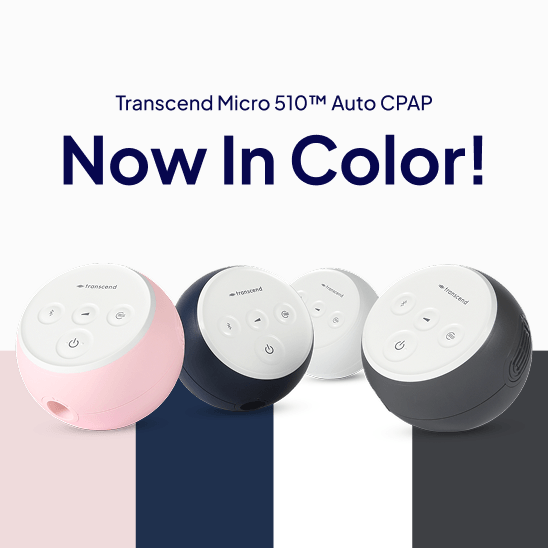
Choosing your first CPAP machine can feel overwhelming, especially right after a sleep apnea diagnosis. There are several machine types, dozens of models, and a lot of unfamiliar terminology. This guide walks Canadians through how to choose a CPAP machine that fits their therapy needs, lifestyle, and prescription, so they can shop with confidence.
A quick but important note before we start: in Canada, CPAP machines require a valid prescription from a physician or qualified sleep clinician. CPAP masks and most accessories do not. This guide aims to clarify your choices and equip you with the right questions to ask, but your prescription and the advice of your healthcare team should always take priority.
UNLOCK OUR BEST OFFERS!
Get up to 40% off machines, masks and accessories only when you sign up!
Sign Up Free →Start With Your Prescription
Every CPAP machine decision begins with your sleep study and the prescription that follows it. Your sleep study measures how often your breathing is interrupted during sleep and how severe those interruptions are. From that, your clinician determines the type of therapy and the pressure setting you need.
Your prescription will usually tell you three things: the type of machine (CPAP, APAP, or BiPAP), the pressure setting or pressure range, and whether you need any additional features such as supplemental oxygen support. You cannot buy a CPAP or BiPAP machine in Canada without this prescription, so if you do not have it yet, that is your first step. Your family doctor, a sleep clinic, or a respiratory therapist can help you get a referral for a sleep study.
Once you have your prescription in hand, the rest of this guide will make a lot more sense.
How to Choose a CPAP Machine: Understand the Three Main Machine Types
Almost every machine sold in Canada falls into one of three categories. The difference between them comes down to how they deliver air pressure.
CPAP (Continuous Positive Airway Pressure)
A CPAP machine delivers one steady, fixed pressure all night long. If your prescription is set to 10 cm H2O, the machine holds that exact pressure whether you are breathing in or breathing out. CPAP is the most common and most established therapy for obstructive sleep apnea, and for many people with mild to moderate cases, it is a reliable, straightforward choice.
Modern CPAP machines are not as basic as they sound. Many include comfort features like expiratory pressure relief, which gently drops the pressure slightly when you exhale to make breathing out feel more natural, even though the machine is still technically a fixed-pressure device.
APAP (Auto-Adjusting Positive Airway Pressure)
An APAP machine automatically adjusts the pressure throughout the night within a range set by your clinician. Instead of one fixed number, the machine responds to your breathing, raising pressure when it detects an obstruction and lowering it when you do not need as much. At any single moment, it still delivers one pressure, but that pressure changes over the course of the night.
APAP is often a good choice for people whose pressure needs vary with sleep position or sleep stage, and for new users who want a more adaptive, comfortable starting experience. It is worth knowing that some light sleepers find the pressure changes noticeable. If that happens, your provider can narrow the pressure range to help you have a smoother night.
Many popular machines are sold as combined CPAP and APAP devices, so you can use them in either mode as your clinician prescribes.
BiPAP (Bilevel Positive Airway Pressure)
A BiPAP machine, also called a bilevel, provides two distinct pressure levels: increased pressure during inhalation and reduced pressure during exhalation. That drop on exhalation makes it easier to breathe out against the airflow, which matters most at higher pressure settings.
BiPAP is a specialized therapy, not simply an upgrade. It is typically prescribed for more complex cases, including certain types of central sleep apnea, very high-pressure requirements, or specific lung and heart conditions in which a person struggles to exhale against a single continuous pressure. If your prescription calls for BiPAP, it is for a clinical reason specific to you, and you should not switch machine types on your own.
Match the Machine to Your Needs
Once you know your machine type, the next step is choosing a model. These are the factors that matter most to Canadians, in roughly the order in which most people should weigh them. When you are ready to look at specific machines, you can compare the best CPAP machines in Canada side by side in our companion guide.
Comfort Features
The single biggest predictor of successful therapy is whether you actually use the machine every night, and comfort drives that. Look for an integrated heated humidifier that adds moisture to the air, reducing dry throat and nasal irritation that cause many new users to give up. Heated tubing builds on this by preventing condensation, sometimes called rainout, in the hose. A ramp feature that starts at a low pressure and gradually builds to your prescribed level as you fall asleep makes the first few minutes far more comfortable.
Noise Level
Most modern home machines are quiet, around 26 to 29 decibels, which is roughly the level of a whisper. Some travel machines run a little louder because their motors are packed into a much smaller body. If you or your partner is sensitive to sound, look for the quoted sound level and aim for the quieter end of the range.
Data and App Connectivity
Many machines record your therapy data and sync it to a smartphone app over Bluetooth or cellular connection. This lets you and your healthcare team track how well therapy is working, troubleshoot mask leaks, and stay motivated. For new users, especially, this feedback can make the adjustment period much easier.
Travel and Portability
If you travel often, you have two paths. A standard, reasonably compact machine can handle occasional trips, and many meet aviation requirements for use on a plane. If you travel frequently, a dedicated travel machine is far smaller and lighter, often under half a kilogram, though it usually trades away the built-in humidifier and some data features. A travel machine is meant to supplement a full-size machine, not replace it for everyday use at home.
Supplemental Oxygen
If your prescription requires supplemental oxygen, confirm that the machine you are considering supports an oxygen connection. Not every model does, so check this before you buy.
UNLOCK OUR BEST OFFERS!
Get up to 40% off machines, masks and accessories only when you sign up!
Sign Up Free →How to Buy a CPAP Machine in Canada
When you are ready to purchase, a few things are worth confirming so you get a genuine, warrantied device and the support that goes with it.
Buy from an authorized Canadian dealer. CPAPSupply.ca is an Ontario-based retailer that partners with an ADP-authorized vendor, and an authorized Canadian dealer for ResMed, Philips Respironics, and Fisher & Paykel. That means every machine is genuine, covered by the manufacturer’s warranty, and supported in Canada, which matters if you ever need service or a warranty claim.
Have your prescription ready. Because machines require a prescription in Canada, you will need to provide yours at the time of purchase. A reputable Canadian retailer will ask for it.
Factor in the full setup. A machine on its own is only part of your therapy. You will also need a mask that fits your face and sleep style, tubing, filters, and a humidifier chamber if your machine uses one. Many Canadians find it easiest to start with a machine package that bundles these together.
Consider a refurbished machine if budget is tight. A properly refurbished unit from a reputable dealer can be a sound way to start therapy for less. Our guide to refurbished CPAP machines explains what to check and how to buy safely in Canada.
Consider shipping and support. CPAPSupply.ca offers free shipping on all Canadian orders over $150 and ships to every province and territory.
You can browse current machines on our CPAP Machines page, explore options for new users on our CPAP Machine Packages page, and find the right interface on our CPAP Masks page.
Shop APAP machines in Canada.
Frequently Asked Questions About How to Choose a CPAP Machine
What are the prescription rules for buying a CPAP machine in Canada?
CPAP and BiPAP machines require a valid prescription from a physician or qualified sleep clinician in Canada. CPAP masks and most accessories do not require a prescription, so you can purchase them freely.
What is the difference between CPAP and APAP?
A CPAP machine delivers one fixed pressure all night, while an APAP machine automatically adjusts the pressure within a set range based on your breathing. Many machines can run in either mode, so your prescription determines which setting you use.
Is BiPAP better than CPAP?
Not better, just different. BiPAP is a specialized therapy prescribed for complex cases, such as certain forms of central sleep apnea, very high pressures, or specific heart and lung conditions. CPAP is the right choice for most people with obstructive sleep apnea. Your clinician decides what you need.
Which CPAP machine is best for a first-time user?
The best first machine is usually one with an integrated heated humidifier, a ramp feature, and app-based therapy tracking, since comfort and feedback help new users stick with therapy. Your prescribed machine type and pressure come first, then choose a model with these comfort features. Our comparison guide to the best CPAP machines in Canada walks through the current models.
Can I use a travel CPAP machine as my everyday machine?
Travel machines are designed to supplement a full-size machine, not replace it. They are smaller and lighter but usually lack a built-in humidifier and some data features, so most people use one for trips and keep a standard machine for nightly use at home.
How quiet are modern CPAP machines?
Most current home machines run at around 26 to 29 decibels, which is about as loud as a whisper. Some travel machines are a little louder. If noise is a concern for you or your partner, check the quoted sound level and choose a model at the quieter end of the range.
What do I need besides the machine itself?
A complete setup includes a mask that fits your face and sleep style, tubing, filters, and a humidifier chamber if your machine uses one. Many Canadians find it easiest to start with a machine package that bundles these essentials.
Final Thoughts on How to Choose a CPAP Machine
Choosing a CPAP machine comes down to three things, in this order: your prescription, your comfort, and your lifestyle. Your sleep study and clinician set the machine type and pressure, and those are not negotiable. From there, the model you pick is really about the comfort features that will keep you using it every night, an integrated humidifier, a gentle ramp, quiet operation, and therapy tracking that helps you stay motivated through the adjustment period. If you travel often, a dedicated travel machine can ride alongside your everyday device rather than replace it.
The most important thing is simply finding the machine you will be glad to reach for at bedtime, because consistent use is what makes therapy work. If you would like a hand narrowing it down, our CPAP specialists can answer your questions about machines, masks, insurance, and prescriptions. Reach our team seven days a week from 9 am to 9 pm at 1-855-492-3316, or email [email protected]. Free Canadian shipping applies to every order over $150.
This guide provides general information and is not a substitute for medical advice. Always follow your prescription and consult your healthcare team before changing your therapy, machine type, or pressure settings.