
Learning how to use a CPAP machine takes a little patience, but the payoff is real: better sleep, fewer apnea symptoms, and more energy during the day. Whether you have just been prescribed CPAP therapy or you have been using it for years, the same handful of habits separates a frustrating experience from a comfortable one.
This guide walks through the five things that matter most: getting your mask fit right, setting up your machine properly, building a consistent bedtime routine, using the comfort features built into your CPAP machine, and knowing when to call your sleep specialist. The advice applies whether you use a CPAP, APAP, or BiPAP machine, since the day-to-day usage habits are the same across all three.
1. Get Your CPAP Mask Fit Right
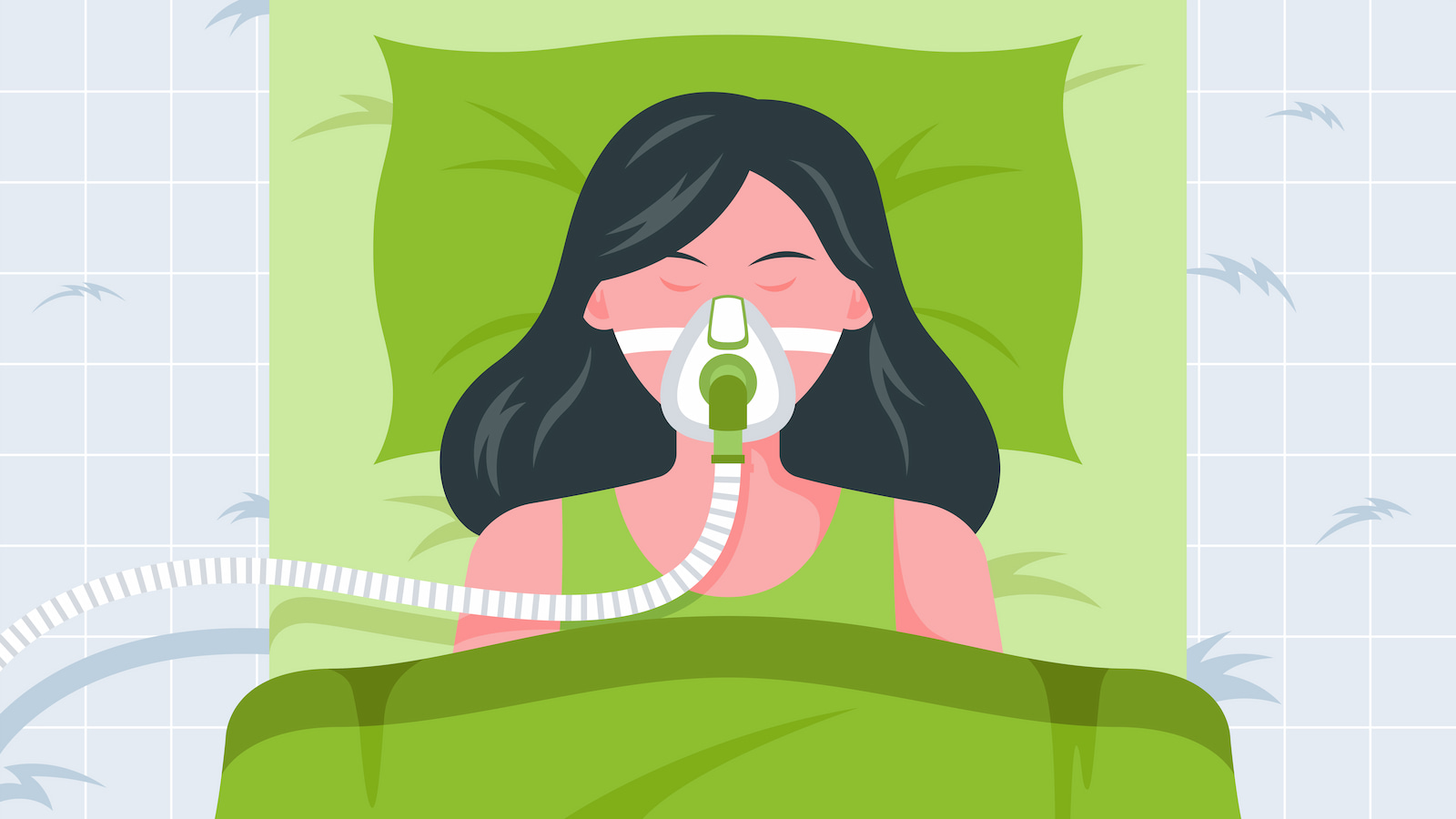
After your prescription and pressure settings, mask fit is the single biggest factor in whether CPAP therapy works for you. The Canadian Lung Association calls a good mask fit “the key to using CPAP therapy successfully,” and most fit problems are solvable with the right mask style, the right size, and a few minutes of careful adjustment.
The Three CPAP Mask Types
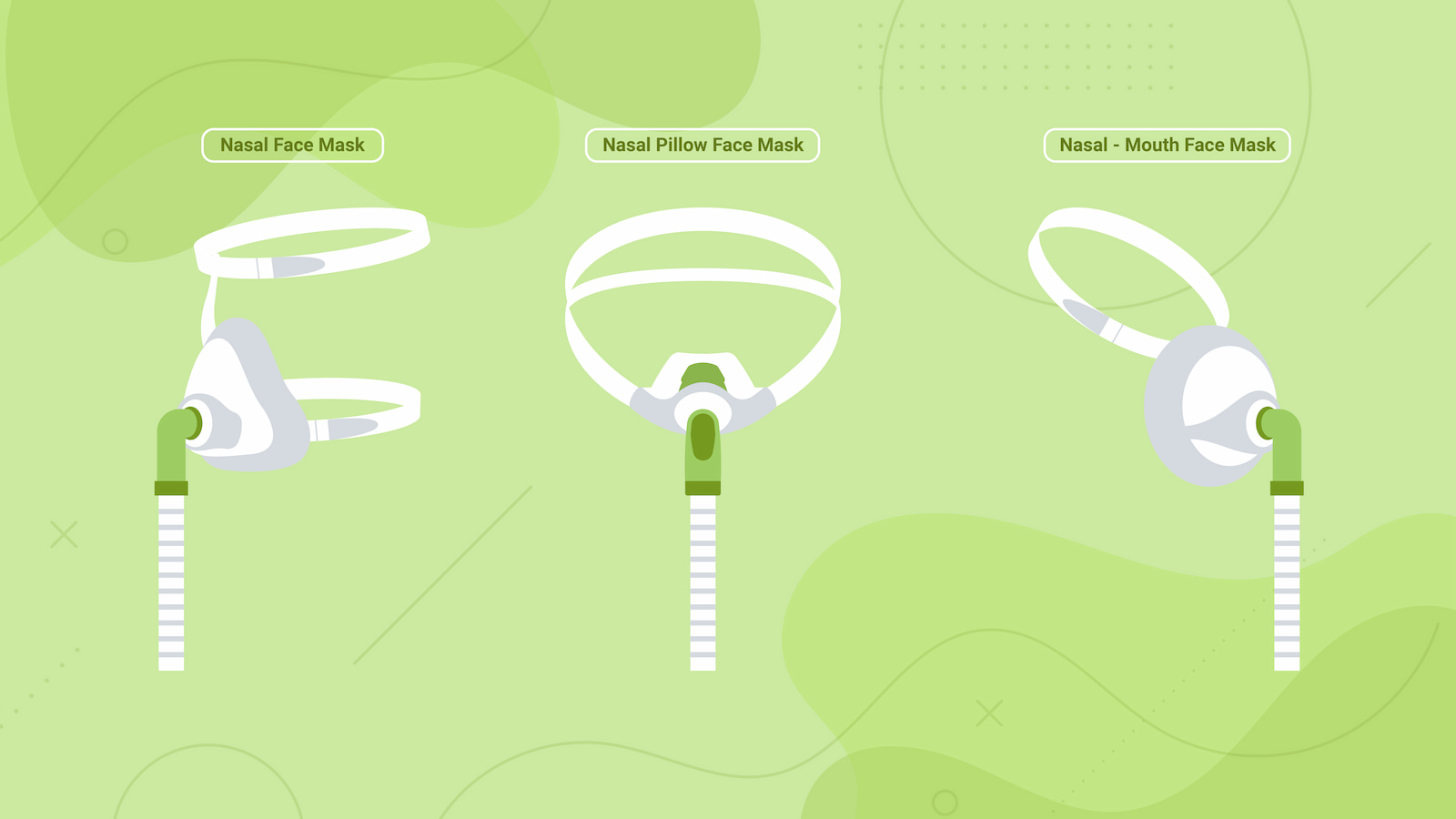
CPAP masks fall into three categories, each suited to different breathing patterns, sleep positions, and comfort preferences:
- Full face masks are designed to enclose both your nose and mouth. These are the right choice for mouth breathers, people with chronic nasal congestion, and patients on higher pressure settings.
- Nasal masks cover only the nose. They offer a good balance of seal stability and lower profile, and they work well for most people who breathe through their nose at night.
- Pillow masks rest just below the nostrils and use gentle, flexible cushions. They are the least obtrusive option, ideal for side sleepers, people with facial hair, and anyone who feels claustrophobic in larger masks.
Within each category, masks come in multiple sizes and frame styles. Face shape, sleep position, and the severity of your sleep apnea all factor into which model will work best. If you are unsure, our team can help you narrow it down before you buy.
How to Put On a CPAP Mask Properly
Most fit issues come from rushing this process. Take your time:
- If your mask has removable headgear, attach the straps to the mask frame first. Skipping this step is the most common reason masks come loose during the night.
- Hold the mask cushion against your face, lining it up with your nose (and mouth, for full face masks).
- Pull the headgear over your head and tighten the straps just enough to hold the mask in place. The cushion should sit against your skin without digging in.
- Turn on your machine and breathe normally. Listen for hissing or whistling, and feel for air escaping near your eyes or cheeks.
- If you feel a leak, loosen the strap on the leak side slightly and reseat the mask, then re-tighten. Counterintuitive but true: overtightening usually makes leaks worse, not better, because it deforms the cushion.
How to Tell If Your Mask Is Leaking
Air leaks are the most common comfort complaint with CPAP. Watch for these signs:
- Whistling or hissing sounds when the machine is running
- Dry, irritated eyes when you wake up (air escaping upward toward your eyes)
- Red marks or pressure sores on your face after a night of use
- The feeling that the air pressure is weaker than it should be
- Your machine is reporting high leak rates in its overnight data.
Many newer CPAP machines include a built-in mask fit check that runs a short pressure test and tells you whether your seal is good. If your machine has this feature, use it for the first few nights with any new mask.
Two habits that improve seal quality: wash your face before bed to remove skin oils and skincare residue, and keep facial hair well-groomed in the areas where the cushion makes contact. If you still cannot get a good seal after a few nights of adjustment, the mask style or size may be wrong for your face. Never modify a mask to make it fit; replace it instead.
2. Set Up Your CPAP Machine for Success
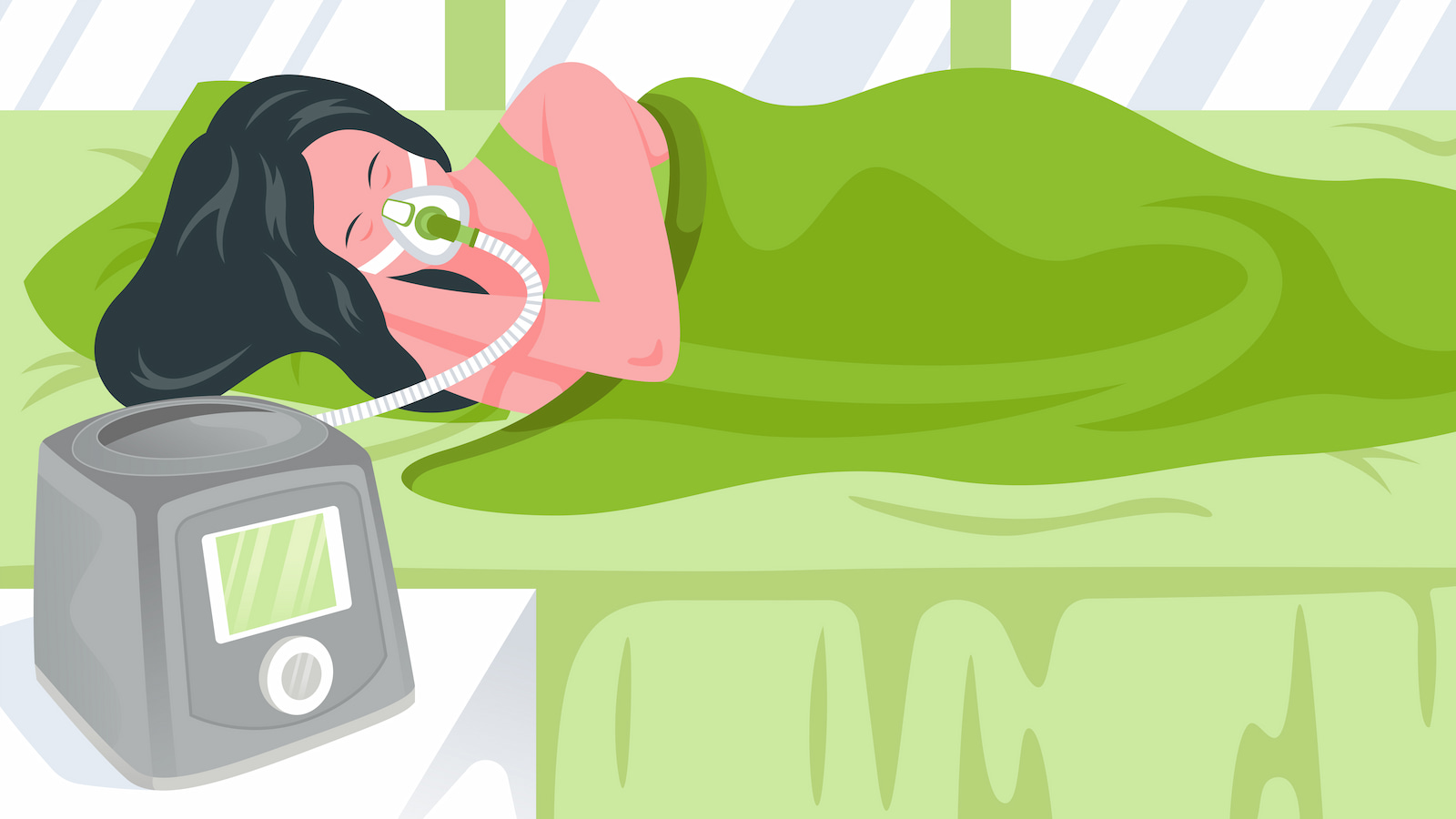
Where you put your CPAP machine matters more than people realize. The right placement keeps the equipment safe, makes maintenance easy, and reduces the chance of waking yourself up by tugging on a tangled hose.
A few placement guidelines that work for almost every bedroom:
- Use a stable, flat surface. A bedside table or low headboard shelf is ideal. Avoid narrow ledges or anything pets might knock over.
- Keep it lower than the mattress. If condensation builds up in the hose, gravity will pull water back toward the humidifier instead of toward your mask.
- Position it within easy reach. The hose should reach your face with a little slack, but not so much that it tangles when you turn over.
- Mind the cord. Run power cords along the wall rather than across walking paths to avoid tripping hazards.
- Leave room for maintenance. You will need to refill the humidifier, change filters, and wipe down the machine regularly. If it is buried in a corner, those tasks tend to get skipped.
If you travel often, a dedicated travel CPAP machine is worth considering rather than packing your nightstand unit every trip. Travel CPAPs are smaller, lighter, and built for portability.
3. Build a Consistent CPAP Routine
Consistency is what makes CPAP therapy work. People who use their machine every night, even if only for part of the night at first, adjust faster and report better results than people who use it sporadically.
Build CPAP into your bedtime routine the same way you would brushing your teeth. A simple sequence:
- Wash your face and brush your teeth.
- Check that the humidifier has water and the filter looks clean.
- Connect the hose to the mask.
- Get into bed, fit the mask, and start the machine.
The first two to four weeks are the hardest. According to Alberta Health Services, most people need a few weeks before they can sleep comfortably with CPAP, and a few people have problems that take longer to sort out. Wearing the mask every single night, even for partial nights, speeds up the adjustment significantly compared to using it only occasionally.
If you wake up and have removed the mask without remembering, do not give up. Put it back on and go back to sleep. Over time, your body learns to tolerate the mask through the full night.
One word of caution: do not change settings or swap accessories every night searching for the perfect setup. Make one change at a time and give it three to five nights to evaluate. Constant tinkering makes it harder to tell what is actually helping.
4. Use the Comfort Features Built Into Your Machine
Modern CPAP machines include several features designed to make therapy more comfortable, especially in those first few weeks. As Lung Saskatchewan notes, most new machines include a ramp feature plus settings that ease exhalation, but most users do not take full advantage of them.
The Ramp Feature
The ramp feature starts your machine at a lower pressure and gradually increases to your prescribed setting over 5 to 45 minutes. For people who find full pressure overwhelming when trying to fall asleep, a ramp can be the difference between drifting off easily and lying awake fighting the airflow. Almost every modern CPAP, APAP, and BiPAP machine has a ramp button or menu setting.
Heated Humidification
Pressurized air dries out the airways quickly, especially during Canadian winters when indoor humidity drops. A heated humidifier increases the air’s moisture content before it flows to your mask, which prevents dry mouth, nasal irritation, and morning sore throat. If your machine has a humidifier and you are not using it, turn it on tonight.
Heated Tubing
If you use a humidifier in a cool bedroom, you may notice water collecting in your hose or condensation spitting at your mask. This is called rainout, and it happens when the warm, humidified air cools as it travels through the tube. Heated tubing solves the problem by maintaining a consistent temperature from the humidifier to your mask, so the moisture stays in the air instead of condensing in the hose. Heated tubing is especially worthwhile for Canadian users in winter, when the gap between bedroom temperatures and humidifier output is widest.
Pressure Relief (EPR or Flex)
Many machines include a pressure relief feature (ResMed calls it EPR, Philips calls it Flex) that briefly drops the pressure when you exhale. It makes breathing out feel more natural and is one of the most underused comfort settings. Ask your sleep specialist whether enabling it makes sense for your therapy.
Building Up Tolerance
If you feel claustrophobic the moment you put on the mask, try desensitizing yourself in low-stakes settings first. Wear the mask for 15 minutes while watching TV. The next day, wear it with the machine running for a few minutes. Build up gradually. Most people who try this approach report dramatic improvement in tolerance within a week or two.
5. Monitor Side Effects and Know When to Call Your Provider

Most CPAP side effects are minor and resolve as you adjust to therapy. Some, however, signal a problem that needs medical attention. Watch for the following and report them to your sleep specialist if they persist or worsen:
- Dry mouth or dry nose, usually solved by turning on or increasing humidification.
- Nasal congestion or runny nose, may indicate humidification needs adjustment, or that you need a saline rinse.
- Bloating or excessive gas (known as aerophagia), may indicate that the pressure is too high or that you need a different mask style.
- Skin irritation or pressure sores, often a sign the mask is too tight, the wrong size, or needs a cushion replacement.
- Frequent unintentional mask removal during sleep, usually a fit or comfort issue.
- Chest discomfort: call your doctor; this should not be ignored.
- Recurrent nosebleeds or respiratory infections, may indicate a hygiene issue or a need for equipment replacement.
Most of these are addressed with a small adjustment to your equipment, your humidification, or your mask. None of them should be addressed by changing your machine’s pressure settings yourself. Pressure is calibrated based on your sleep study, and adjusting it without medical guidance can eliminate the benefits of therapy or make symptoms worse.
If you are concerned about a side effect or your therapy is not improving your sleep after a month of consistent use, contact your sleep specialist or our team. We can help troubleshoot equipment fit, recommend accessories, or refer you back to your provider for a pressure review.
Frequently Asked Questions About How to Use a CPAP Machine
How long does it take to get used to a CPAP machine?
Most people adjust to CPAP therapy within two to four weeks of consistent nightly use. The first week is typically the hardest. Wearing the mask every night, even for partial nights at first, speeds up the adjustment significantly compared to using it only occasionally.
How do I know if my CPAP mask fits properly?
A properly fitted CPAP mask creates a quiet seal against your skin without digging in or leaving deep red marks. You should not hear hissing or whistling when the machine is running, and you should not wake up with dry, irritated eyes. Many modern machines include a mask fit check feature that tests your seal in 30 to 60 seconds.
Why does my CPAP mask leak?
Most CPAP mask leaks come from one of three causes: the mask is the wrong size or style for your face, the headgear is too loose or too tight, or the cushion is worn out and needs replacing. Cushions typically last 1 to 3 months with daily use. If you have ruled out these three causes and still have leaks, you may need a different mask style.
Can I adjust my CPAP pressure myself?
No. CPAP pressure is set based on your sleep study and titration results, and changing it without medical supervision can reduce the effectiveness of your therapy or worsen your symptoms. If you feel the pressure is wrong, contact your sleep specialist for a pressure review rather than adjusting the machine yourself.
How often should I replace my CPAP supplies?
Mask cushions typically need replacement every 1 to 3 months, headgear every 6 months, full masks every 6 to 12 months, and tubing every 3 to 6 months. Filters depend on the model but generally need replacement every 1 to 6 months. Following the replacement schedule keeps your therapy effective and your equipment hygienic.
Is a prescription required to purchase a CPAP machine in Canada?
Yes. CPAP machines are classified as medical devices in Canada and require a valid prescription from a licensed physician or sleep specialist. Masks, accessories, and replacement supplies do not require a prescription.
Key Takeaways
- Mask fit is the single biggest factor in CPAP comfort and effectiveness, and it is the one most under your control.
- The three CPAP mask types are full face, nasal, and nasal pillow. Each suits different breathers and sleep styles.
- Always attach removable headgear before donning the mask, and avoid the urge to overtighten the straps.
- Place your machine on a stable surface within easy reach, lower than the mattress, with room for maintenance access.
- Build CPAP into your nightly routine and use it every night, even partial nights, especially during the adjustment period.
- Take advantage of comfort features built into your machine: ramp, heated humidification, and pressure relief.
- Most CPAP side effects are minor and solvable with small equipment adjustments.
- Never adjust your machine’s pressure settings yourself. If something feels off, talk to a medical professional or reach out to our team for guidance.
Need Help With Your CPAP Therapy?
Whether you are new to CPAP therapy or troubleshooting an issue with your current setup, our team is here to help. CPAPSupply.ca has been serving Canadians since 2013, and our staff includes a Registered Respiratory Therapist who can answer questions about mask fit, machine settings, and equipment compatibility. We are happy to talk through your situation before you buy, after you buy, or any time in between.