CPAP therapy is the gold standard treatment for obstructive sleep apnea. It works well for most people. But not everyone responds to CPAP the same way.
Some people develop breathing issues even while using CPAP. Others find the constant pressure uncomfortable or difficult to tolerate. If standard CPAP therapy isn’t working for you, your doctor might recommend ASV therapy instead.
ASV machines represent a more advanced form of positive airway pressure therapy. They’re designed for specific types of sleep apnea that don’t respond well to traditional CPAP treatment.
Understanding the difference between these devices can help you have more informed conversations with your healthcare provider about your treatment options.
What Is CPAP?
CPAP stands for Continuous Positive Airway Pressure.
A CPAP machine delivers a steady stream of pressurized air through a mask you wear over your nose or mouth while you sleep. This constant air pressure keeps your airways from collapsing, preventing the breathing pauses that happen with obstructive sleep apnea.
The pressure setting on a CPAP machine stays the same throughout the night.

Your sleep specialist determines this pressure based on your sleep study results. Once set, the machine delivers that exact pressure level continuously while you’re using it.
CPAP therapy is effective for most people with obstructive sleep apnea. Studies show it reduces daytime sleepiness, improves sleep quality, and may lower cardiovascular risks associated with untreated sleep apnea.
It’s the first-line treatment doctors prescribe for moderate to severe OSA.
What Is ASV?
ASV stands for Adaptive Servo-Ventilation.
It’s a form of noninvasive ventilation that tracks your breathing patterns throughout the night and adjusts air pressure automatically to match your needs.
Unlike CPAP’s constant pressure, ASV machines use sophisticated algorithms to monitor how you’re breathing.
When your breathing slows down or stops, the machine responds by increasing pressure to restore normal breathing. Once your breathing stabilizes, the ASV machine lowers the pressure back down.
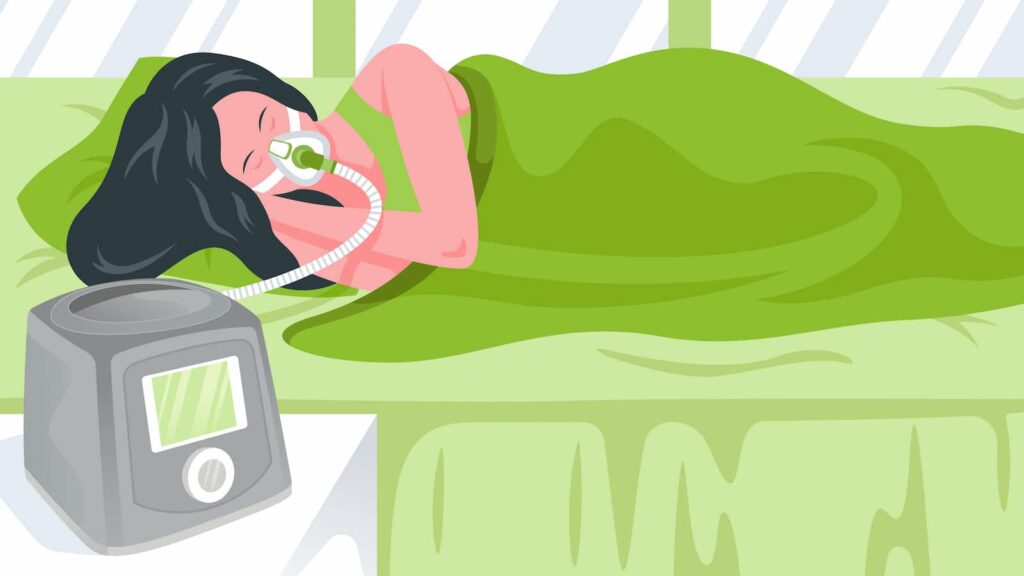
This adaptive approach makes ASV particularly effective for central sleep apnea (CSA).
In central sleep apnea, your brain temporarily fails to signal your respiratory muscles to breathe. ASV machines can detect these lapses and provide just enough pressure to initiate a breath, maintaining a regular breathing pattern throughout the night.
ASV therapy is also used for complex sleep apnea (also called treatment-emergent central sleep apnea). This condition develops when people with obstructive sleep apnea start experiencing central apnea events after beginning CPAP therapy.
How Do ASV Machines Work?
ASV machines have three basic components: a face mask, the machine itself, and a flexible hose connecting them. The setup looks similar to a CPAP system.
Here’s what makes ASV different. The machine continuously monitors your breathing throughout the night.
It tracks your breathing rate, the volume of each breath, and your overall breathing pattern.
When the machine detects that your breathing has slowed below your normal baseline, it automatically increases air pressure to bring you back to normal breathing levels.
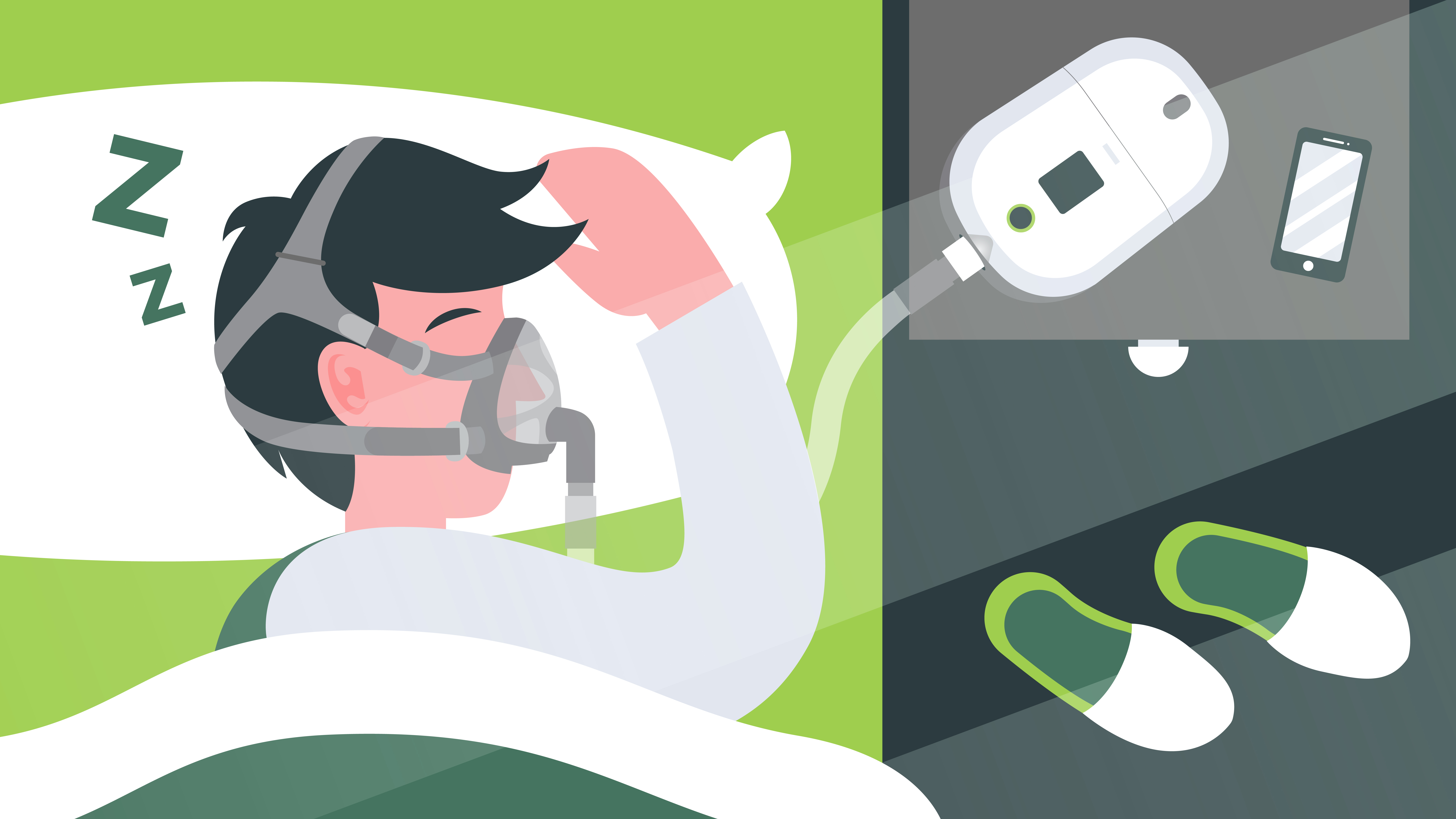
The adjustment happens in real time. The algorithms respond within seconds to changes in your breathing pattern.
This means you get more support when you need it and less pressure when you don’t.
ASV machines also include a backup respiratory rate. If you stop breathing for a certain number of seconds, the machine will mechanically deliver a breath.
This backup feature is particularly important for people with central sleep apnea, where the brain’s signal to breathe can fail completely.
The pressure support varies based on your individual breathing pattern.
Some ASV machines can even personalize the backup respiratory rate based on ongoing feedback from your breathing. This level of customization makes ASV more responsive than standard CPAP or BiPAP therapy.
When Is ASV Prescribed Instead of CPAP?
Doctors typically prescribe CPAP first for obstructive sleep apnea. ASV is reserved for specific situations where CPAP isn’t effective or appropriate.
Central sleep apnea is the most common reason for ASV prescriptions.
In CSA, breathing pauses happen because your brain doesn’t send proper signals to your breathing muscles. Standard CPAP can’t address this neurological issue effectively. ASV’s ability to detect lapses in breathing and initiate breaths makes it better suited for central apnea.
Some people develop central sleep apnea after starting CPAP therapy. This is called treatment-emergent central sleep apnea or complex sleep apnea.
If you’re using CPAP and your sleep study shows you’re still having breathing pauses (but now they’re central rather than obstructive), your doctor may switch you to ASV.
CPAP intolerance is another situation where ASV may be prescribed.
If you can’t tolerate CPAP therapy despite trying different masks, pressure adjustments, and humidification, your doctor may consider ASV.
Many people find ASV more comfortable because the pressure varies throughout the night instead of staying constant. The machine lowers pressure when you’re breathing normally, which can make exhalation feel more natural.
ASV was originally developed to treat Cheyne-Stokes respirations, a breathing pattern that involves periods of hyperventilation followed by lapses in breathing. This condition is often linked to heart failure. ASV can help stabilize this irregular breathing pattern.
ASV vs. CPAP: Key Differences
These two devices differ in several important ways.
When it comes to pressure delivery, CPAP delivers constant pressure throughout the night, while ASV adjusts pressure continuously based on your breathing pattern.
CPAP maintains the same pressure whether you’re inhaling or exhaling, but ASV increases pressure when breathing slows and decreases pressure when breathing normalizes.
The devices are designed for different types of sleep apnea. CPAP is designed primarily for obstructive sleep apnea, while ASV is designed for central sleep apnea, complex sleep apnea, and specific breathing disorders. CPAP relies on constant pressure to keep airways open, but ASV can initiate breaths mechanically if you stop breathing for too long.
Many people find differences in comfort between the two devices.
CPAP delivers the same pressure during exhalation, which some people find uncomfortable. ASV lowers pressure during normal breathing, making exhalation feel more natural. This can reduce feelings of claustrophobia and may improve compliance for people who struggled with standard CPAP therapy.
Cost is another consideration. CPAP machines typically cost less while ASV machines are more expensive.
In terms of when each is prescribed, CPAP is the first-line treatment for OSA. ASV is typically prescribed after CPAP hasn’t worked or for specific types of central apnea.
Risks and Side Effects
ASV machines can cause side effects similar to other positive airway pressure devices.
Common side effects include dry mouth, nasal dryness, congestion, skin irritation from the mask, and eye irritation.
Using a humidifier with your ASV machine can reduce symptoms like dry mouth and nasal dryness.
Some people experience aerophagia (swallowing air), which can cause bloating or stomach discomfort.
Mask discomfort is another common issue, though finding the right mask type and ensuring proper fit can help.
ASV is not recommended for people with certain underlying conditions, including chronic hypoventilation, moderate to severe chronic obstructive pulmonary disease (COPD), or restrictive thoracic or neuromuscular disease.
Most importantly, ASV therapy is contraindicated for people with heart failure and reduced ejection fraction below 45%.
Research has shown increased mortality risk in this population when using ASV. If you have heart failure, your doctor will carefully evaluate your ejection fraction before prescribing ASV therapy.
Getting an ASV Prescription in Canada
ASV machines are Class II medical devices regulated by Health Canada.
Like CPAP machines, they require a valid prescription from a licensed healthcare provider before you can purchase one.
Your family doctor can refer you for a sleep study if you suspect you have sleep apnea. If you’re already using CPAP and still experiencing symptoms, talk to your doctor or sleep specialist about whether ASV might be appropriate for you.
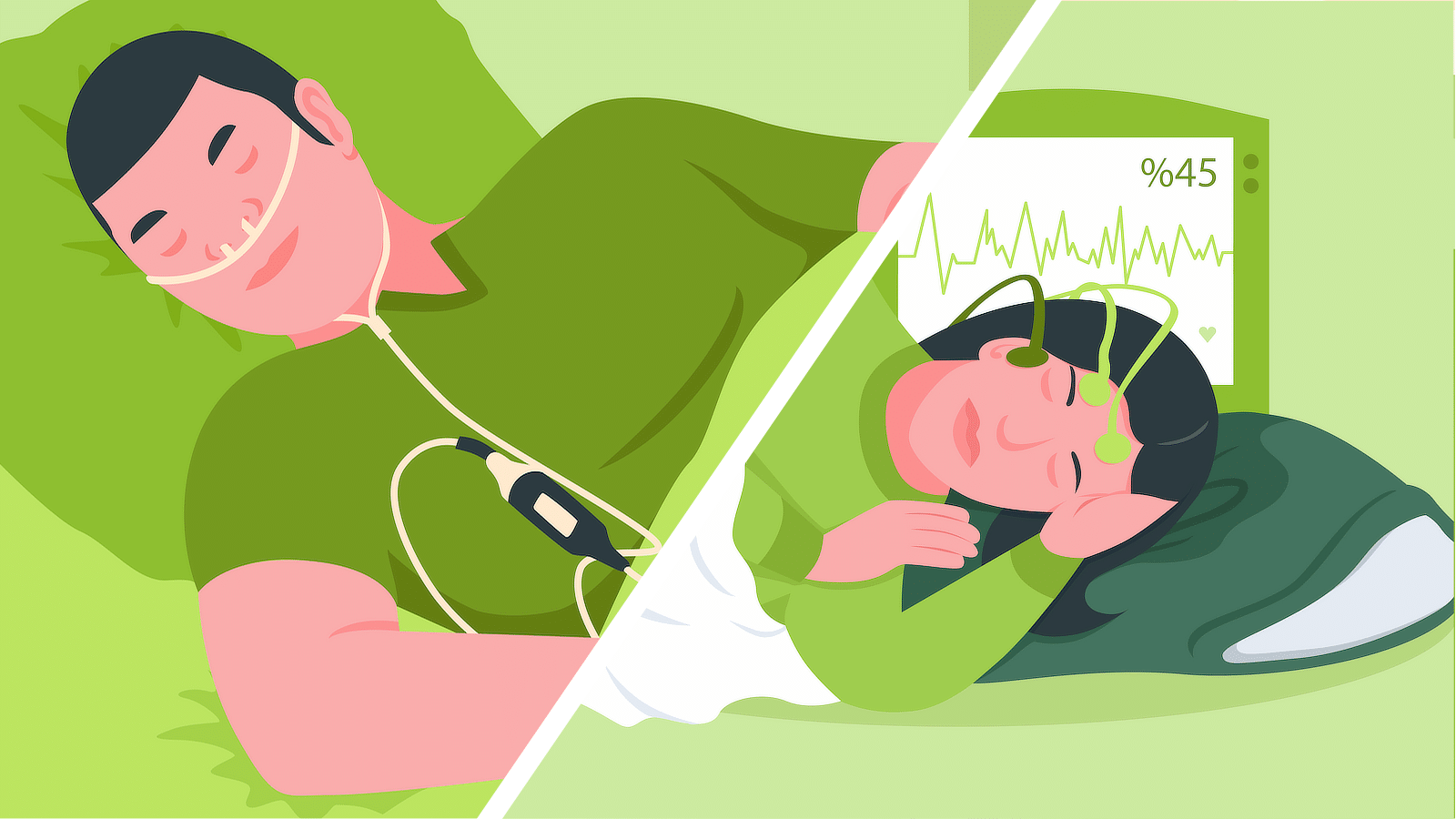
The diagnostic process typically involves a sleep study (either in-lab polysomnography or a home sleep apnea test, depending on your situation).
If your sleep study shows central sleep apnea, complex sleep apnea, or CPAP intolerance, your sleep specialist may prescribe ASV therapy.

Coverage for ASV machines varies significantly by province and insurance plan.
Some provincial health programs may cover a portion of ASV costs for eligible individuals, while others rely primarily on private insurance.
Some private plans may cover part of ASV costs when criteria are met. Coverage is variable and must be confirmed directly with the insurer.
ASV machines typically cost more than CPAP machines. If cost is a concern, discuss coverage options with your insurance provider and healthcare team. Some suppliers offer payment plans or can help with insurance claims.
Your respiratory therapist will work with you to set up your ASV machine and ensure proper mask fit. Regular follow-up appointments help ensure the therapy is working effectively and allow for adjustments as needed.
Next Steps
ASV therapy offers an effective solution for people with central sleep apnea, complex sleep apnea, and certain other breathing disorders.
While CPAP remains the first-line treatment for obstructive sleep apnea, ASV provides an important alternative for people who need more adaptive pressure support.
If you’re struggling with CPAP therapy or have been diagnosed with central sleep apnea, talk to your sleep specialist about whether ASV might be right for you. Your doctor can evaluate your specific situation, review your sleep study results, and determine the most appropriate treatment option.
The most important thing is finding a therapy that works for you and that you’ll use consistently.
Whether that’s CPAP, ASV, or another form of positive airway pressure therapy, consistent use is key to managing sleep apnea and improving your overall health.
Need help with CPAP equipment or accessories? The team at CPAP Supply can help you find masks, replacement parts, humidifiers, and other accessories to support your sleep apnea therapy. Reach out to us with questions about your equipment needs. We’re here to help Canadian CPAP users get the most from their therapy.
Medical Disclaimer
The information provided is for educational purposes only and is not medical advice, diagnosis, or treatment. CPAP and ASV therapy should only be used under the direction of a licensed healthcare provider who has diagnosed sleep apnea through appropriate testing. Always seek advice from your physician or sleep specialist with questions about your symptoms or treatment options. Nothing here creates a doctor-patient relationship. Do not disregard professional medical advice or delay seeking treatment based on content here. CPAP and ASV machines require a valid Canadian prescription before purchase.