There’s a lot to be wary of when purchasing a used CPAP machine, from infections and funky smells to improper settings and part failure.
CPAP machines are durable medical equipment (DME.)
They serve a critical role in helping to prevent apnea episodes and provide a greater quality of sleep (and, in turn, a greater quality of life) for those living with sleep apnea.
However, like a lot of medical equipment, paying for a CPAP machine out of pocket can be a costly experience.

This leads many people to look for alternative sources of used CPAP machines and accessories.
While this can offer significant upfront savings over buying new, the savings can come at the cost of safety, reliability, and the overall quality of your CPAP therapy experience.
In this guide, we’ll look at why someone might consider buying used CPAP equipment and pitfalls to consider if you absolutely must shop used over new.
Understanding Used CPAP Sources
Before we dive into the concerns you should keep in mind and why we wouldn’t recommend buying a used CPAP machine, we want to take a minute to look at the various sources you might use to find used CPAP equipment and accessories.
They’re not all created equal. As such, while we never recommend purchasing used CPAP equipment, some sources are more likely to provide you with a safe, dependable machine than others.

In most cases, used CPAP machines are available from one of three sources:
- Online classifieds, such as Craigslist or Kijiji
- Online used DME and CPAP equipment providers
- Local used DME and CPAP equipment providers
In many cases, online classified listings are from people looking to either sell their old equipment or resell equipment they found or belonged to family or friends.
As with any online classified listing, the details are important, and there are little to no protections for you as a buyer.
Due diligence is a cornerstone of any purchase you might choose to make.
Online used DME and CPAP equipment providers offer much of the convenience of an online classified, but often come with a few more guarantees and services–such as in-depth machine cleaning, new accessories, or warranties.
But you’re still left trusting an online listing and often won’t be able to interact with or inspect your used CPAP until it’s at your door.
Finally, local used DME and CPAP equipment providers will require you to travel and visit in person.
However, they go beyond online providers by allowing you to touch, inspect, smell, and otherwise verify the quality of any used equipment you might purchase.
You can also get a feel for the business while looking at the products you’re interested in to see if they appear dependable should you need further assistance.
Still, despite this level of reassurance and increased ability to research your purchase before handing over any money, we recommend a new CPAP machine from a reputable CPAP supply store over any used option available.
The Risks of Buying Used CPAP Machines
While it might seem frustrating that you can’t legally buy a CPAP machine without a prescription, these rules are in place to protect you as a consumer and ensure a reliable, consistent experience across the entire range of these critical products.
In this section, we’ll look at the risks. They’re presented in no particular order, as each element can significantly impact your experience.
Missing Prescription Perils
When you purchase a used CPAP machine without a prescription, you are missing a vital aspect of PAP therapy–optimized pressure levels and machine settings.
Even on an APAP machine with a variable pressure rate, the possible rates are still within a range.
Some are narrower, and some are broader than others–again, based on the prescription written by your doctor in consultation with a sleep specialist.
There is a strong chance that the levels set for the previous owner aren’t the perfect settings for your needs.
You could experience diminished apnea benefits, or the machine could even cause additional problems.
If you absolutely must purchase used CPAP equipment, do so from a provider who requires a prescription and can help ensure that your used CPAP machine is set to the best settings for you as outlined by your healthcare provider and determined during an at-home or lab-based sleep study.
Old Equipment and Obsolete Features
Modern CPAP machines provide a wealth of features designed to add comfort or convenience to the PAP therapy experience.
However, most machines last for 5 to 7 years between replacements, and this means that many used CPAP machines are generations behind the latest technology.
Features such as ramping, humidification, data reporting, and sea-level adjustment might seem small.
Still, they each add a noticeable difference and can help to improve compliance rates and overall comfort.
More to the point, features such as data reporting make it much easier for your sleep specialist or doctor to monitor your treatment and adjust your machine’s settings to serve your exact health requirements better.
Then there are safety concerns regarding recalls. While they don’t happen often, it’s critical to ensure that any recalls are handled promptly to avoid health and safety risks.
A reliable DME or online CPAP supply store will ensure that any recall concerns are taken care of before you receive your equipment and should be available after the purchase should any issues arise.
However, on online classifieds or auction sites, there’s no way to guarantee that recalls are tended to before spending your money–and there’s little chance the seller will take care of you should a recall happen after you’ve made your purchase.
So you might not simply miss out on comfort. You could receive diminished benefits as well!
Aging Parts and Accessories
Even with the best CPAP machine cleaning and maintenance routines, you’ll need to replace parts and accessories on your CPAP machine regularly.
If you buy an older used machine, you could find that parts are harder to find or more expensive as they have to come through alternative sources such as resellers.
Buying a new machine doesn’t simply guarantee the machine’s condition, but it helps to ensure that CPAP masks, CPAP tubes, CPAP water reservoirs, and other vital components will be easy to source for the life of your machine.
Faulty Equipment and Costly Failures
Most While you might use a CPAP sanitization system, such as the SoClean 2 or Lumin UVC, to help reduce this risk, these systems are expensive in their own right. By the time you purchase one of these systems, on top of the cost of a remotely new used CPAP machine and a complete set of tubes, masks, and other accessories, you might have been able to buy a new CPAP machine to begin with. Further complicating matters, the types of microbes and bacteria that can cause the most concern aren’t always something you can find with a visual inspection. This means you could discover that you’ve traded your sleep apnea symptoms for bronchitis, pneumonia, or even tuberculosis! Then there are the less harmful but annoying factors. For example, what about smells? If the previous owner was a smoker or used strong perfumes or scented cleaning products with their CPAP machine, those odours might be embedded in the machine’s plastic, rubber, and silicone seals. While you might be able to run the machine for a while to reduce these smells, eliminating them could be impossible. Pet dander and other allergens are also a concern for those with allergies. Especially if animals were allowed in the room with the CPAP machine by the previous owner. Even after changing filters and wiping down the exterior, you could find that using the machine still triggers allergic responses leading to added breathing complications. Finally, you get the types of situations that make your skin crawl. If the previous owner lived in a cockroach or bedbug-infested area, you could bring that into your own home when you purchase the machine. If they frequently treated their home for infestations, you could also inhale residue from foggers or aerosol insecticides! If you still need a used CPAP machine, it’s crucial to do your due diligence and take precautionary steps to minimize your risk. While we can’t advocate buying used CPAP machines, this list should help you at least verify the basics of whether an option you’re considering will meet your needs. NOTE: This list is not to be considered medical advice, and our official recommendation is to buy new equipment from reputable DME or CPAP machine suppliers. You accept all responsibility for financial loss or health complications by purchasing a used CPAP machine and do so at your own risk. With years of experience helping Canadians find affordable, high-quality CPAP machines and accessories, CPAP Supply is Canada’s leading online CPAP supply store in customer satisfaction. If you’re considering buying a used CPAP machine, contact us first to discuss why you might do so and how we can help you obtain dependable, safe, new CPAP equipment to meet your sleep apnea needs.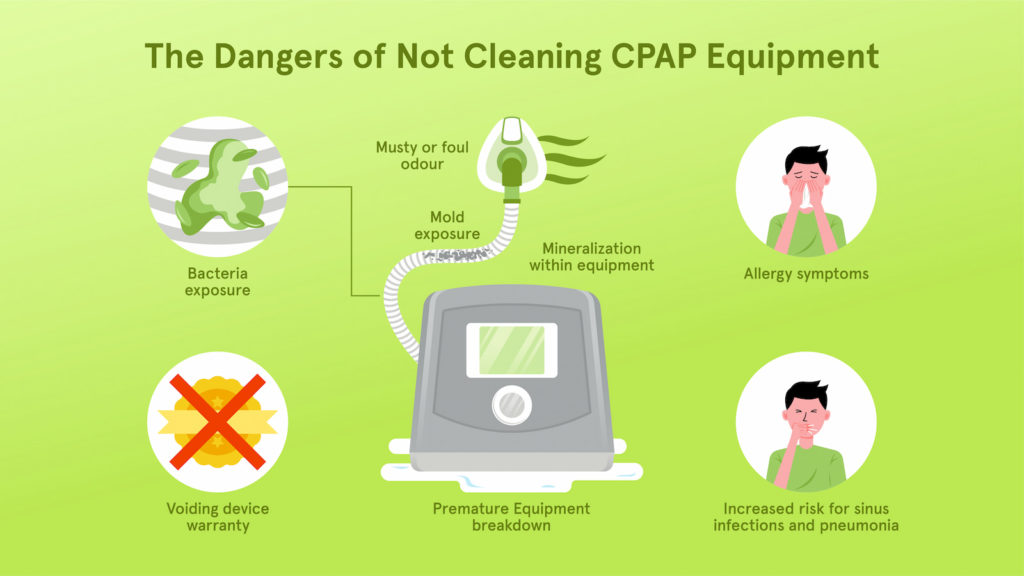
The Used CPAP Machine Buyer’s Checklist
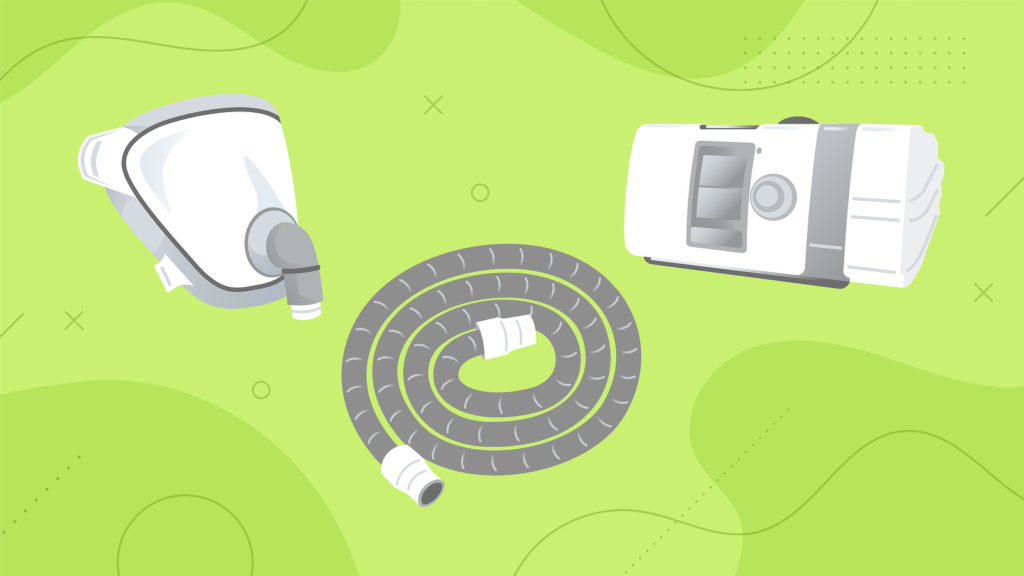
If you’re purchasing online, ask for pictures of the machine idle and in operation.
Well-lit pictures from multiple angles will help confirm the condition of the unit.
You can also ask for pictures of more hidden places, such as inside hose connection points, water reservoir connectors, or empty filter slots.
Don’t be afraid to pick up the unit and look at all surfaces and openings if shopping in person.
In either case, if the seller won’t allow you to inspect the unit, walk away.
If the unit is in good shape, check if any accessories are already included.
If possible, you should discard used masks, tubings, filters, and other parts and replace them with new ones.
However, if new, unopened accessories are bundled with the product, they might save you additional money.
While this is similar to consideration 2, you want to ensure ample supplies of any parts you might need for your used CPAP machine.
This is especially important for older machines.
After all, if the machine is still running in a few years, but you can’t find tubing or other critical parts for it, it won’t do you much good.
Many newer machines record the hours they’re in use in the software.
You can think of this like the odometer on your vehicle.
The higher this number is, the more likely you’ll run into complications or failing parts.
More importantly, if you know the machine will report its run hours, and the seller won’t let you see the number, they could be hiding something!
Visual inspections are essential, but when the machine is supplying pressurized air directly to your nose or mouth, odours matter too.
If you’re buying in person, be sure to get close and smell the machine.
Sniff the casing, the filter area, and the hose connection point to see if you notice any smells.
Do so with the machine off, as flowing air can mask some more subtle odours.
If you are shopping in person, have the seller verify the function of any ramp features, heated humidifiers, or pressure adjustments available.
Also, check to ensure that you have access to any settings changes you might need.
While good customer support is also important, having a manual will help you quickly get up to speed on the features of your new-to-you CPAP machine and highlight any essential functions you should be aware of.
They can also help avoid panicked runs to the CPAP supply store for assistance if something doesn’t seem right.
If you’re unsure where to start, ask the seller or look on the manufacturer’s website for additional information.Summary